
Email: info@basementwaterproofingparma.com
Call: (440) 683-6202
Parma’s Local Waterproofing Experts
If you're searching for basement waterproofing in Parma, there's a good chance you've already noticed a damp corner, a musty smell, or a hairline crack that seems to widen every spring. In this part of Cuyahoga County, that's rarely bad luck — it's usually the soil and the winters. Parma sits on dense clay soil that holds water against a foundation instead of draining it away, and the Lake Erie freeze-thaw cycle means that water expands and contracts against your foundation walls dozens of times every winter.
A lot of Parma's housing stock dates to the postwar boom of the 1950s and 60s — solid homes, but built with foundation drainage standards that don't hold up to 70 years of clay-soil pressure and freeze-thaw cycling the way modern systems do. Original footing drains clog with silt over decades, and what started as a hairline curing crack becomes a real water pathway. We see this pattern on nearly every older-home inspection we run in Parma, Parma Heights, and Seven Hills.
Mark Dombrowski started this company after a decade running foundation and drainage crews across Cuyahoga County, tired of watching Parma homeowners get a one-size-fits-all system sold by a traveling rep who'd never see the job again. He leads every inspection personally.
More about us
Two focused services, done right — not a dozen done halfway.
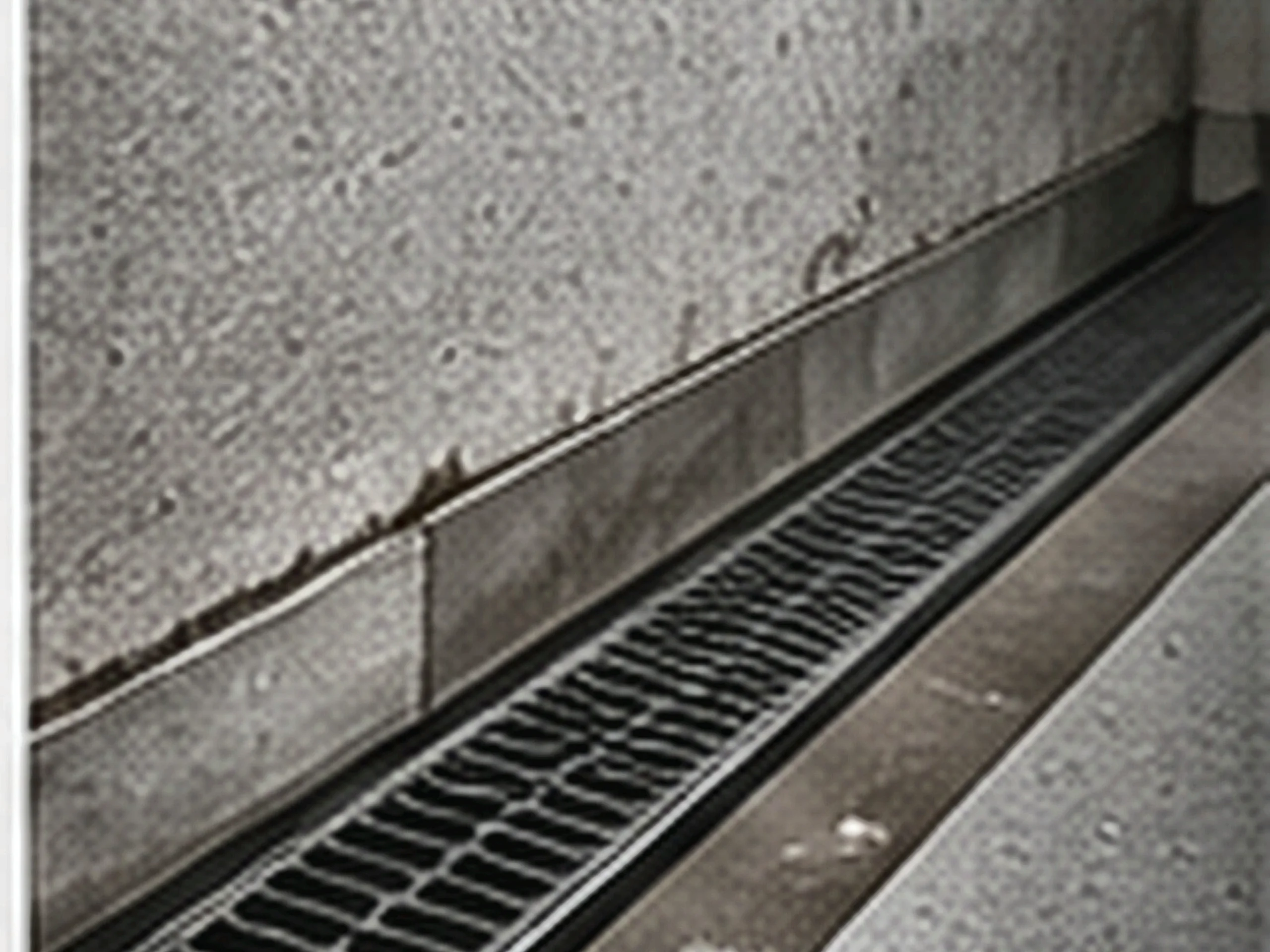
Interior and exterior drainage, sump pump installation, and crack injection for wet or flood-prone Parma-area basements.
Vapor barriers, moisture control, and ventilation for damp Parma-area crawl spaces — before the moisture spreads upward.
We work throughout Parma and the surrounding Cuyahoga County suburbs — Parma Heights, Seven Hills, Brooklyn, Brook Park, Middleburg Heights, Berea, North Royalton, Broadview Heights, Strongsville, Olmsted Falls, Lakewood, Rocky River, Fairview Park, North Olmsted, Westlake, Independence, Garfield Heights, Maple Heights, Brecksville, Solon, Bedford, and Olmsted Township.
Several companies that show up for "basement waterproofing Parma" searches are actually based in Middleburg Heights, Independence, or Olmsted Township — good crews, but not local to Parma the way we are.
Mark leads every inspection himself, so if something needs a follow-up, you're not starting over with a stranger.
No flat-rate system sold before anyone's actually looked at your foundation and your soil conditions.
You'll know whether your issue is a footing-drain failure, a hydrostatic-pressure crack, or a surface-grading problem — because those get fixed differently.
A lot of "free estimates" in this industry are really just a sales visit with a pre-decided system to sell. Ours starts with the actual water: where it enters, whether it's coming through the wall, the floor-wall joint, or a specific crack, and what the grading and gutter drainage outside look like. That distinction matters because the fix is different in each case — a hydrostatic-pressure issue from saturated clay soil pushing against the wall needs an interior drainage system, while a single settlement crack often just needs injection. We tell you which one you have before we tell you what it costs.
A damp corner that shows up every spring rarely stays a damp corner. Water finds the same path every time it rains or thaws, and each freeze-thaw cycle widens whatever opening it's using — so a hairline crack this year is often a running leak in two or three winters. Beyond the structural side, standing moisture in a finished or semi-finished basement is one of the most common causes of mold growth and the musty smell that won't go away no matter how much you clean. Addressing it early is almost always less disruptive and less expensive than waiting for a full flood to force the issue.
It depends heavily on scope — a single crack injection is a very different job from a full interior drainage system with a new sump pump. We give you a real number after a free on-site inspection, not a guess over the phone.
Usually not for gradual seepage or groundwater intrusion — most policies treat that as a maintenance issue, not a covered peril, though sudden pipe failures are often different. We'll tell you honestly which category your situation falls into.
For most of the postwar-era homes common in this area, yes — the alternative is usually recurring damage that gets more expensive to fix the longer it's ignored, plus the mold and air-quality issues chronic dampness brings.
Tell us what you're seeing — a damp corner, an active leak, a musty crawl space — and we'll get a real diagnosis on the calendar.