
Email: info@basementwaterproofingparma.com
Call: (440) 683-6202
Free referral: your request goes to an independent local waterproofing contractor for an on-site inspection.
Interior and exterior drainage, sump pump installation, and crack injection for wet or flood-prone Parma-area basements.
Most wet-basement searches in Parma trace back to one of two root causes: hydrostatic pressure from clay soil pushing groundwater against the foundation wall, or a specific crack — often from normal concrete curing or minor settlement — that's widened over repeated freeze-thaw cycles into an active water pathway. Treating both the same way is the most common mistake in prior fixes that didn't hold: a system built for hydrostatic pressure is overkill and expensive for a single settlement crack, and injecting a crack that's really a symptom of broader wall pressure just buys you a year or two before it fails again.
A good contractor starts every basement waterproofing job with an on-site inspection that identifies which of these is actually happening — where water enters, what the exterior grading and gutter drainage look like, and whether prior patches (if any) addressed the real cause. The recommended system, and the price quoted, should follow from that diagnosis rather than a standard package.
A crack injected with the wrong material, or a drainage system installed without addressing an exterior grading problem first, often looks fixed for a season and then fails again — usually during the next hard freeze-thaw cycle, when it's harder to schedule a repair. Getting the diagnosis right the first time is what actually saves money over the life of the fix, even though it takes longer up front than a same-day quote.
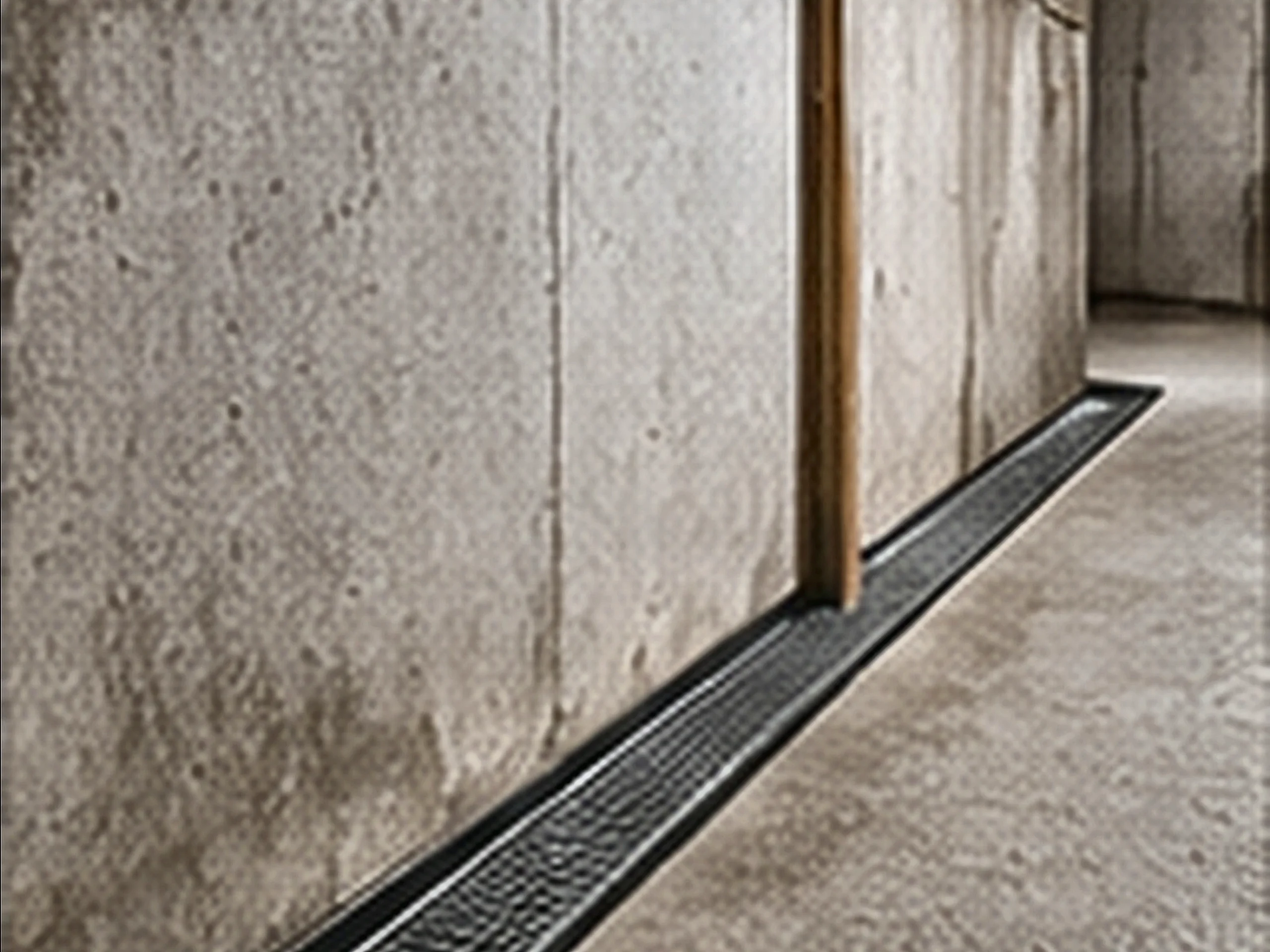
A perimeter drain along the interior footing, routing water to a sump pump rather than letting it pool against the wall — the standard fix for ongoing hydrostatic pressure.
Excavation and membrane application on the outside of the foundation wall, for cases where the water source is better addressed before it reaches the wall at all.
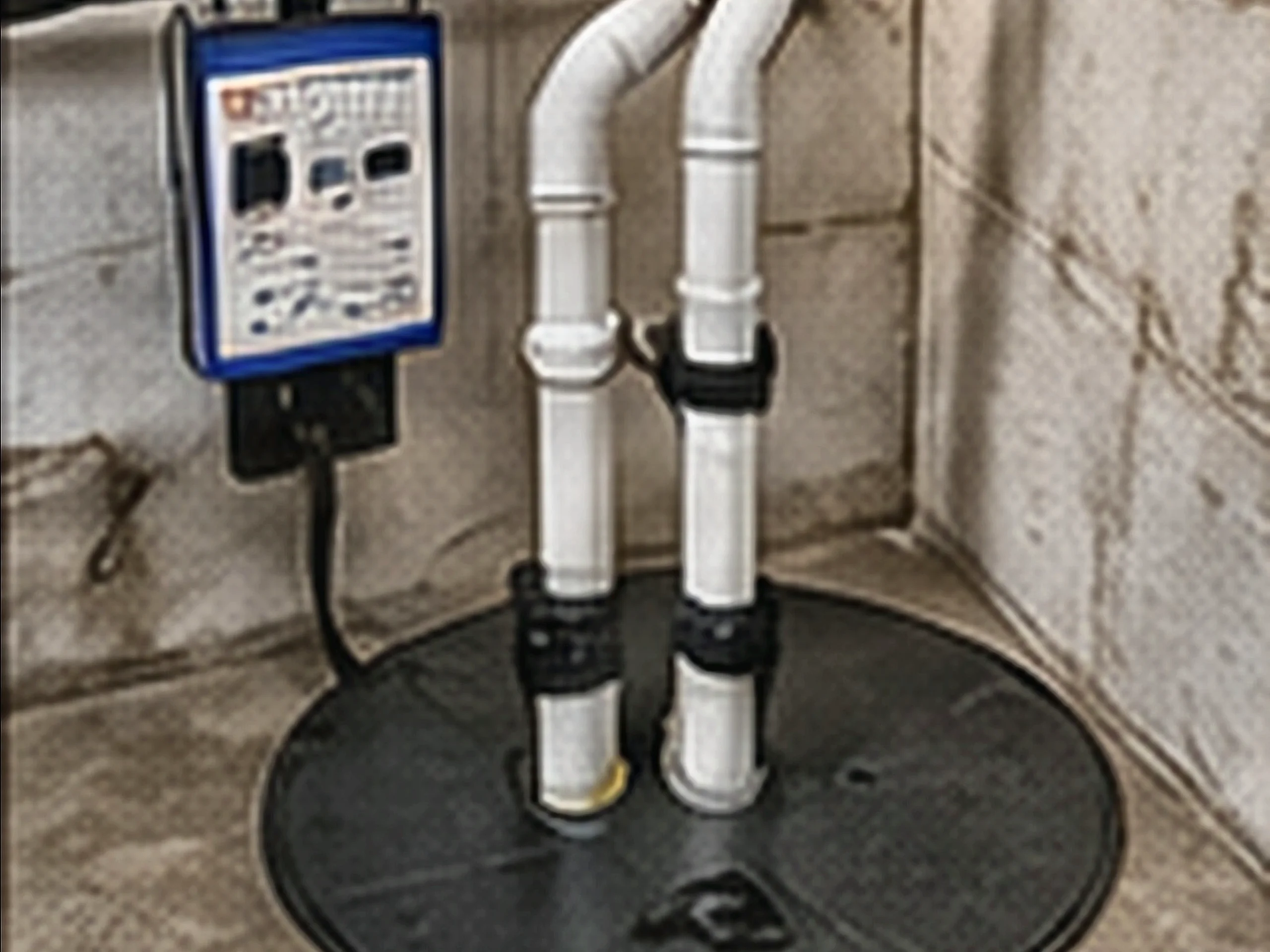
Sizing and installing a sump pump matched to your basement's actual water volume, with battery backup available for power-outage protection during storms.
Epoxy injection for structural cracks, polyurethane injection for active water infiltration — the right material depends on whether the crack is still moving or just leaking.
A typical whole-basement waterproofing project costs $3,000–$10,000 in 2026, about $5,000 on average. A single crack injection runs $250–$1,000, while interior drain tile is priced at $40–$120 per linear foot.
| Item | Typical 2026 US range |
|---|---|
| Typical whole-basement project | $3,000–$10,000 (about $5,000 on average) |
| Interior drain tile / perimeter drain | $40–$120 per linear foot |
| Exterior French drain | $10–$100 per linear foot |
| Crack injection | $250–$1,000 per crack |
| Interior waterproof sealant | $1–$8 per sq ft |
| Sump pump installation | $600–$2,500 |
Typical 2026 US ranges; your final price comes from the pro's written estimate.
| Pricing factor | How it affects your estimate |
|---|---|
| Number of affected walls | More walls needing drainage or injection increases scope and cost. |
| Type of fix needed | Crack injection alone costs meaningfully less than a full interior drainage system. |
| Sump pump condition | A new or upgraded sump pump adds to a drainage-system quote if the existing one is missing or undersized. |
Cost depends almost entirely on scope: a single crack injection costs far less than a full interior drainage system with a new sump pump, and the number of affected walls matters more than square footage. The contractor gives you an exact number after the on-site inspection, not a phone estimate.
Your request goes to an independent local waterproofing contractor who diagnoses before quoting, rather than a sales rep with a pre-decided system. You get an inspection of your actual basement, not a regional script.
Request your free on-site inspection today.
Free on-site inspection — the contractor identifies where water is entering and why.
A specific recommendation — matched to your actual diagnosis, not a standard package.
A clear quote — before any work begins, with no surprise add-ons mid-job.
The work itself — a single crack injection is often done in a day, and a full drainage system usually takes a few days.
Ask the contractor to explain any warranty on the finished work before you sign anything.
A musty smell that won't go away, white mineral deposits (efflorescence) on the walls, a damp corner that reappears every spring, or a crack that seems to widen after a hard freeze are all signs it's time for an inspection — waiting typically means more extensive, more expensive work later.
That's exactly what the on-site inspection determines — whether the water source is broad hydrostatic pressure across the wall or a single localized crack.
Yes, though a finished basement may need some drywall or flooring removed near the affected wall to access it — the contractor can explain exactly what that involves during your estimate.
Active leaks and flooding are usually prioritized over routine inspections — call and mention that water is coming in now.